Why Visiting Beauty Spots in Australia Can Transform Your Routine

Exploring Beauty Destinations
As someone who spends a lot of time navigating beauty boutiques in stunning locations like Queen Street Mall, I’ve come to appreciate the allure of local hotspots that offer unique beauty experiences. It's true that a trip to these boutiques can feel as thrilling as a treasure hunt. One can easily stumble upon delightful finds, from lavish skincare products by elemis to exquisite makeup sets that cater to personal tastes and budding trends. These hidden gems often outshine even the most well-known department stores.
When exploring, I love trying different fragrances, such as those from penhaligons, which perfectly complement a sophisticated style. Small beauty boutiques at The Barracks often bring unparalleled local expertise to the table. I recall, during a stroll through South Bank’s wellness centres, stumbling upon a quaint shop specialising in natural formulations. The personal touch of local artisans can add both a sense of community and unique authenticity to beauty routines.
For others at the beginning of their beauty journey, these destinations offer more than just products; they offer a window into local traditions and tailor-made advice enriched by the local culture. Embracing these insights means you are not just investing in your beauty routine but discovering a new layer of self-care.
Impact on Personal Routine
Discovering New Rituals
Incorporating beauty rituals into daily life can indeed be transformative. During my visits to the wellness centres of South Bank, I've discovered elements that enrich my own routines—like integrating korean makeup for that coveted dewy finish. It’s not just about cosmetics; it’s about the confidence they impart. Over time, we can adopt several beauty habits to enhance our personal practices:
-
Morning Skincare Boost: Start your day with a soothing facial mist to awaken the skin, much like the rejuvenating feel of a morning stroll in South Bank.
-
Aromatherapy Moments: Discover fragrances that resonate with your inner self. For instance, fragrances like juliette has a gun and Montale can become a signature part of your personal and professional life.
-
Evening Wind-Down Rituals: Introduce calming oils or scented candles reminiscent of a rainy evening at Queen Street Mall into your nighttime routine.
These ideas aim to invigorate your daily rituals, making them more than just routine tasks. They transform mundane moments into opportunities for self-care. Subtly integrating local Australian beauty secrets into these habits can truly elevate one's personal routine.
Inspiring Hotel Amenities
Sourcing Local Artisan Products
Creating a unique hospitality experience often means exploring the rich tapestry of local artisan products. In Brisbane, for example, beauty boutiques at the Queen Street Mall offer unique indulgences that could serve as delightful additions to hotel amenities. Incorporating locally sourced goods not only supports the community but also elevates the guest experience by offering something distinct and memorable. Integrating products like chanel makeup can add a touch of luxury, helping to align with high-end hotel brands known for their sophistication and class. Ensuring these products match the hotel's brand image while balancing budget considerations is crucial for achieving guest satisfaction.
Curating Guest Experience Packages
Crafting a curated guest package is an essential aspect of enhancing a hotel’s allure. Guests appreciate thoughtful additions that speak to their senses and create lasting impressions. Introducing small, personalised items such as narciso rodriguez fragrances into room packages or spa experiences can transform a stay from ordinary to extraordinary. These curated experiences can also act as an opportunity to spotlight boutique wellness centers in locales like South Bank, further enhancing the narrative around relaxation and premium service that a hotel aims to project. By tailoring these elements to reflect both quality and exclusivity, hotels can foster a more intimate connection with their guests.
Fresh Ideas for Hotel Collections
Refreshing a hotel’s collection with innovative ideas can maintain its status as a leader in the hospitality sector. Leveraging insights from both local and international trends within the beauty and fragrance realms offers avenues for enrichment. Allow guest preferences and market demands to inform selections, ensuring a dynamic yet coherent assortment. Consider the charm of natural skincare options available at The Barracks, adapting them into the hotel’s amenity lineup. The diversification of offerings through such fresh integrations not only captivates guests but also reinvigorates the brand’s identity, affirming its commitment to providing exceptional experiences.
Connecting with Niche Perfumeries
Insights from Local Fragrance Houses
When it comes to niche perfumeries, Brisbane offers a treasure trove of insights. As a personal anecdote, I remember strolling down Queen Street Mall and discovering intricate fragrances that breathe life into my personal style. Exploring these local treasures can be like diving into a world filled with distinct and unexpected scents. Key places like the wellness centres in South Bank, where you might stumble upon the enchanting realm of small fragrance houses, can provide an intimate glimpse into the artistry behind boutique scents. These experiences offer more than just a purchase; they invite you to understand the story and passion woven into each bottle.
Personalized Fragrance Blending
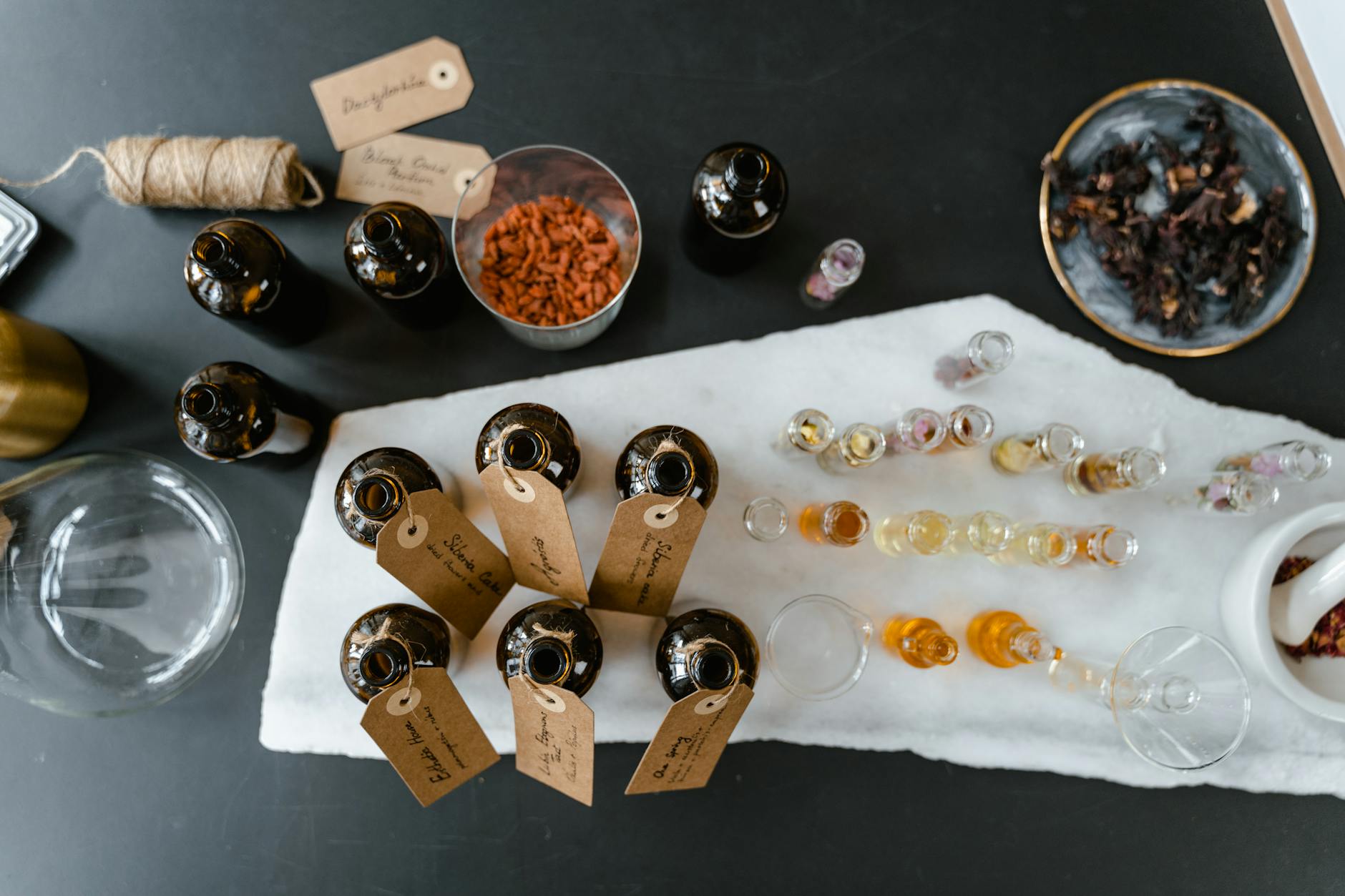
Creating a personalised fragrance blend is an engaging way to bring a bit of local charm into your offerings. From unique natural ingredients to rare essential oils, there’s a lot to play with. Incorporating renowned brands like l occitane, helps in achieving that balance between niche and recognisable luxury. To personalise, consider scents that emulate the lush landscapes and vibrant culture of Australia. Each blend speaks to the individual's unique style and the broader aesthetic preferences found in the natural skincare stores at The Barracks.
Embracing Unique Scents for Guests
The art of scent selection extends beyond personal use; it bridges into curating a memorable guest experience, much like using dior perfume in hospitality settings. Unique scents can serve as a lasting memory, much like a melodic note lingering in one's mind long after the concert has ended. Offering guests tailored fragrances can enhance their stay by integrating an elevated sensory element that resonates with the destination.